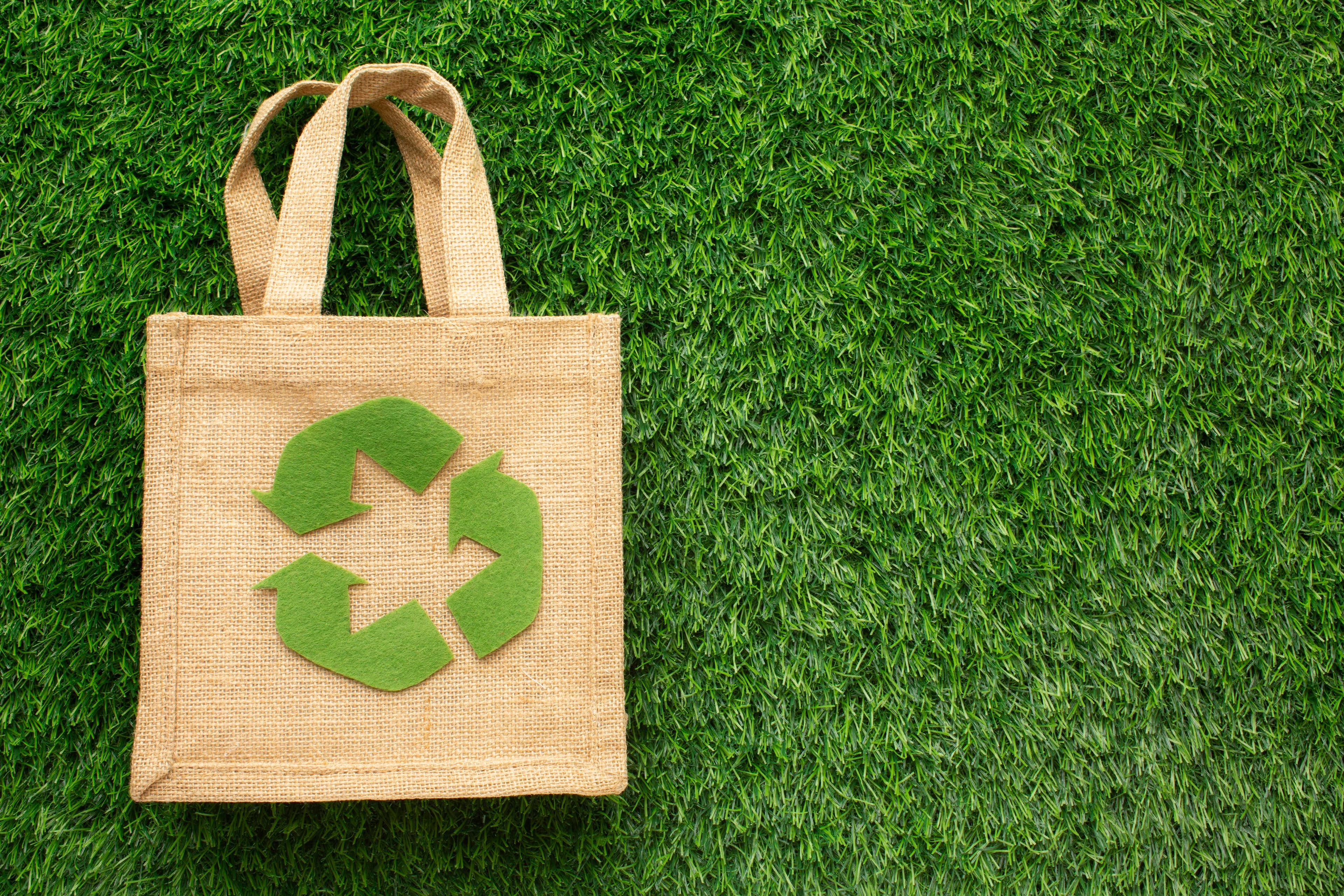
In today's environmentally conscious world, businesses are increasingly recognizing the importance of sustainable packaging solutions. As consumers become more aware of environmental issues, they're actively seeking out brands that prioritize eco-friendly practices. This shift in consumer behavior has made sustainable packaging not just a trend, but a necessity for forward-thinking businesses.
The Environmental Impact
Traditional packaging materials, particularly single-use plastics, have contributed significantly to environmental pollution. These materials take hundreds of years to decompose and often end up in our oceans and landfills. Sustainable packaging offers a viable alternative that reduces environmental impact while maintaining functionality and appeal.
Benefits of Sustainable Packaging
Sustainable packaging provides numerous benefits beyond environmental protection. It can enhance brand reputation, reduce costs in the long run, and meet regulatory requirements. Many governments worldwide are implementing stricter regulations on packaging materials, making sustainable options increasingly important for compliance.
Types of Sustainable Materials
There are various sustainable packaging materials available today. Non-woven bags, made from recycled materials, offer durability and reusability. Paper bags, when sourced from responsibly managed forests, provide excellent biodegradability. Cotton bags, though initially more expensive, offer long-term value through repeated use.
Consumer Perception and Brand Value
Consumers are willing to pay more for products packaged in environmentally friendly materials. This willingness reflects a growing awareness of environmental issues and a desire to support responsible businesses. Brands that adopt sustainable packaging often see improved customer loyalty and positive brand perception.
Cost Considerations
While sustainable packaging may have higher upfront costs, it often provides better long-term value. Reusable bags, for example, reduce the need for repeated purchases and can serve as ongoing brand ambassadors. Additionally, many sustainable materials are becoming more cost-competitive as production scales increase.
Implementation Strategies
Transitioning to sustainable packaging requires careful planning and consideration. Businesses should start by assessing their current packaging needs and identifying opportunities for improvement. Working with experienced suppliers who understand sustainable materials is crucial for successful implementation.
The Road Ahead
As technology advances and consumer demand grows, sustainable packaging solutions will continue to evolve. Businesses that embrace these changes early will be better positioned to meet future challenges and opportunities. The future of packaging is undoubtedly green, and the time to act is now.